
Regulations
Do You Need Building Regulations for a New Kitchen or Bathroom?
A like-for-like kitchen or bathroom replacement, where the layout stays the same, usually does not need building regulations approval. Approval or notification comes in when the job goes further: new connections to the drains, a new electrical circuit, electrical work in a bathroom, moving gas appliances, new windows or taking out a wall.
This guide covers England. It is based on the LABC guide to replacement kitchens and bathrooms and local authority guidance on Part P. Rules in Wales differ in places, and if your home is listed or in a conservation area you may need separate consent, so check with the council first.
Like-for-like replacements
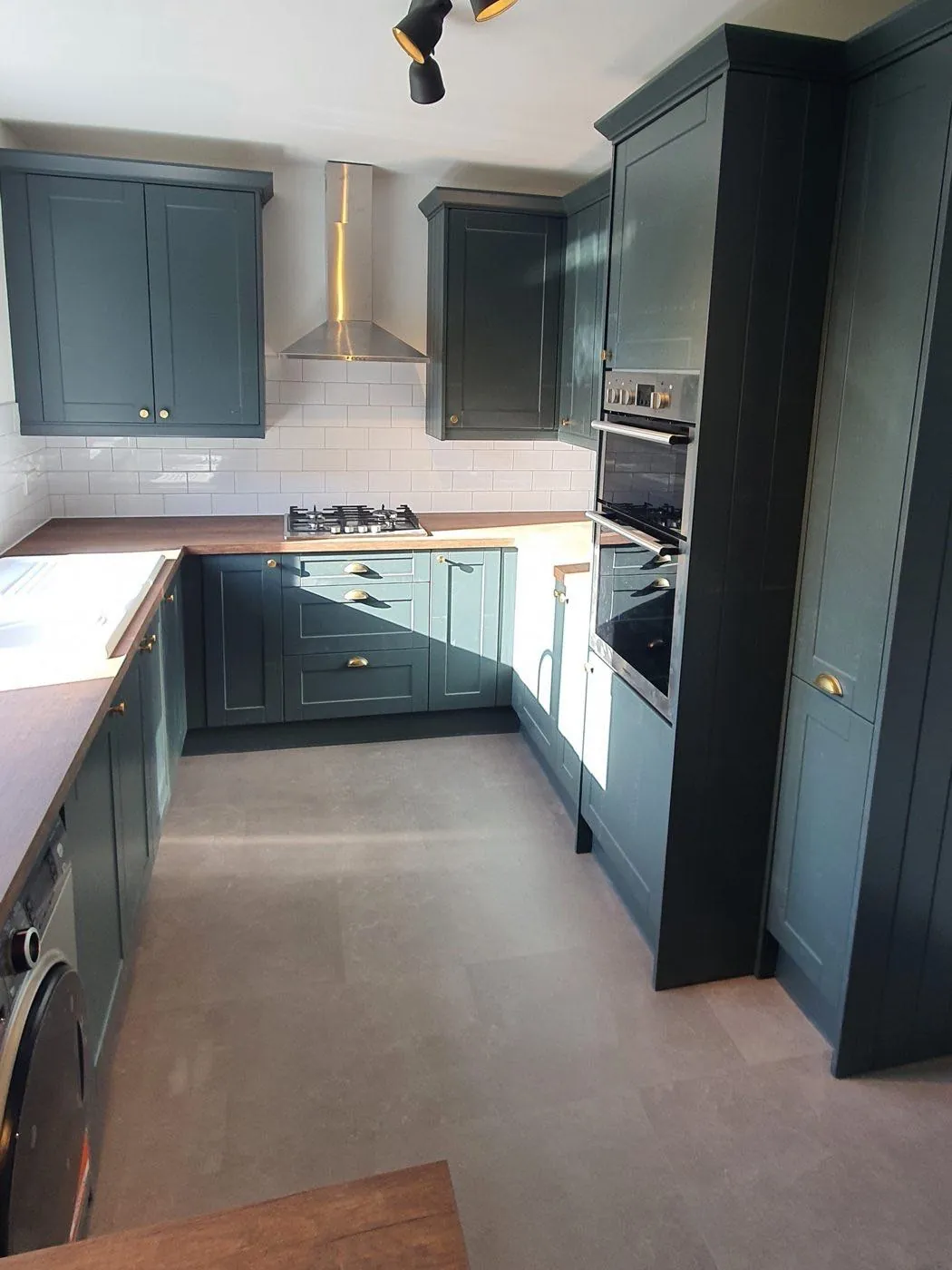
Taking out an old kitchen or bathroom and fitting a new one in roughly the same layout is usually outside building regulations. New units, worktops, a new suite in the same positions, tiling and decorating do not normally need approval. The work still has to be done well, and the general rule is that it must not leave any part of the house in a worse state against the regulations than it was before.
When building regulations do apply
Drainage
Moving a sink, toilet, bath or shower is not automatically notifiable. It becomes so when it means altering or making new connections to a drainage stack or an underground drain. Toilets are the most common example, because the soil pipe is large and has to fall correctly.
Electrics and Part P
In England, notifiable electrical work under Part P includes:
- installing a new circuit, for example a dedicated supply for an electric oven or hob
- replacing the consumer unit (fuse board)
- adding to or altering existing circuits in a special location, which includes a room with a bath or shower
Most other kitchen electrical work, such as adding a socket to an existing circuit, is not notifiable. Notifiable work is normally done by an electrician registered with a competent person scheme, who self-certifies it, or it has to be inspected by building control.
Ventilation
Kitchens and bathrooms need extract ventilation to deal with steam. A new extractor fan that needs a new electrical circuit brings in building regulations, and the fan should vent to the outside where possible. Replacing a fan or cooker hood on its existing supply is a smaller job, but it is a good moment to check the new one is powerful enough for the room.
Gas
Any work on gas pipes or appliances, including moving a hob or boiler, must be done by a Gas Safe registered engineer. Moving a boiler, extending its flue or fitting a new gas appliance also comes under building regulations, which the engineer will normally notify.
Knocking through
Taking out a load-bearing wall to open a kitchen into a dining room is a structural alteration. It needs building regulations approval, a structural engineer's design for the beam and supports, and the new beam needs adequate fire protection. If you are weighing up how far to go, our guide to kitchen renovation vs kitchen makeover may help.
Windows and external doors
Replacing a window or external door, or fitting a new one, is covered by building regulations. Replacement windows are usually fitted by an installer registered with a competent person scheme who handles the paperwork.
A second kitchen
Adding a second kitchen, for example in an annexe, can suggest a change of use to a separate dwelling and may need approval and planning permission.
Why the paperwork matters
Certificates for notifiable electrical work, gas work and structural changes are often asked for when you sell your home. Missing certificates can delay a sale or mean paying for an inspection later. Keep every certificate with the house paperwork.
A quick checklist before you start
- Is the layout staying the same, or are any sinks, toilets or showers moving?
- Will there be any new circuits, a new consumer unit or electrical work in the bathroom?
- Is any gas appliance or pipework being moved?
- Is a wall coming out, and do you know whether it is load-bearing?
- Is the house listed or in a conservation area?
If the answer to all of these is no, the job is very likely outside building control.
How ATR handles it
On a kitchen renovation, bathroom renovation or wider refurbishment, we look at what the job involves on the first visit and flag anything that will need notifying before the price is agreed, so it does not turn up as a surprise halfway through. Our guide to how long a bathroom renovation takes shows where electrics and plumbing fit into the order of work.
Planning a refit in Grays or Upminster?
We are based in Grays and work across Thurrock and Havering, including Upminster. Call 07795 673584 or ask for a free quote.
FAQs
Common questions
Do I need planning permission for a new kitchen?
Internal work like a new kitchen or bathroom does not usually need planning permission. Listed buildings are the main exception, and a second kitchen can raise a change of use question.
Is moving a socket in the kitchen notifiable?
Not usually in England. Adding or moving a socket on an existing circuit is not notifiable, but installing a new circuit is.
Who notifies building control?
Registered electricians, Gas Safe engineers and window installers in competent person schemes normally self-certify their own work. Other work, such as structural changes, needs an application to building control.